

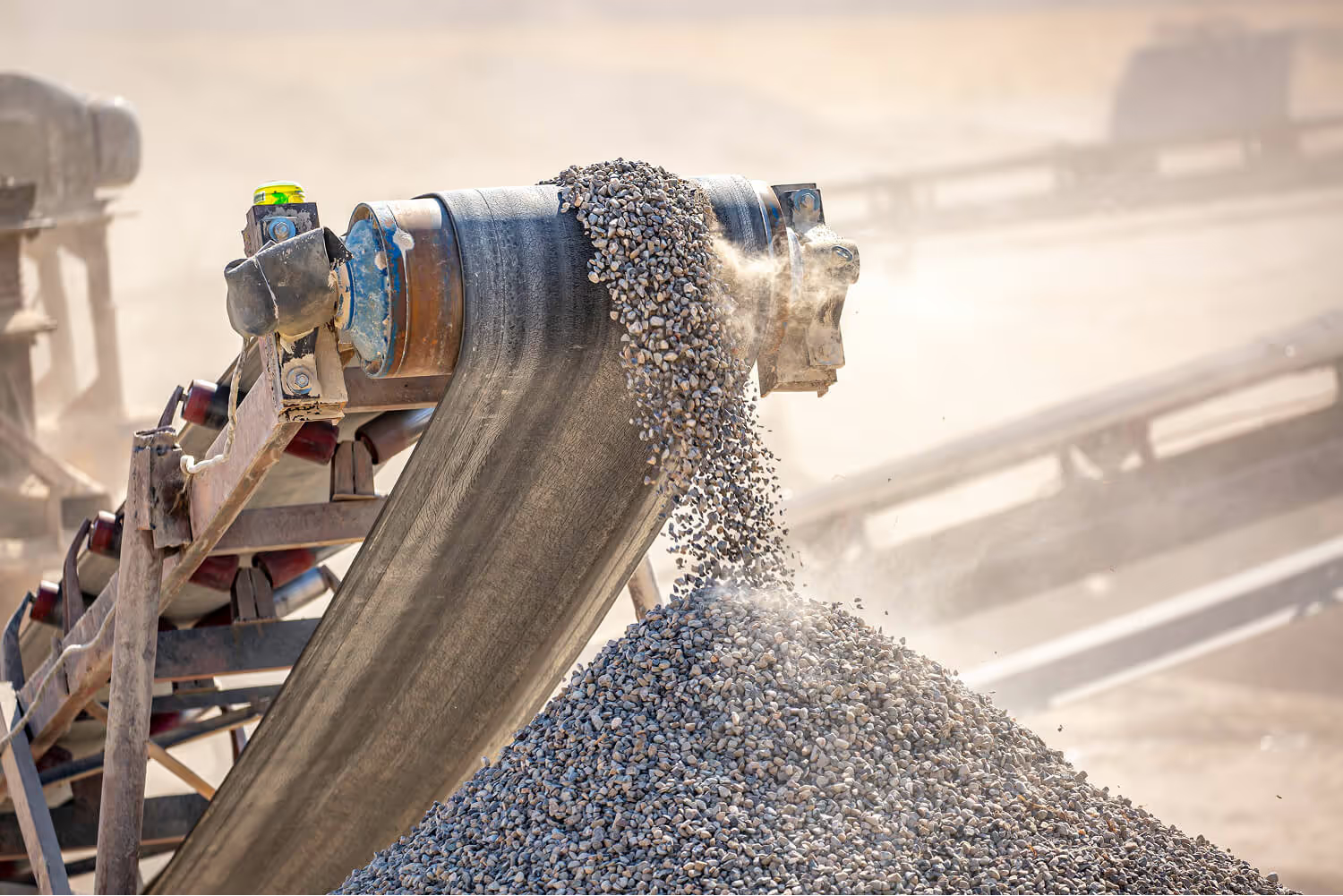
Conveyor belt depositing a pile of small gravel stones at a construction site.
AI icon
Climate earth platform

Sustainability made easy for aggregates

You run the aggregate quarry. We’ll handle the carbon reporting and Environmental Product Declarations.

Make aggregates jobs easier. Power carbon-informed decisions.

Build confidence with specifiers, win more bids, and stay ahead of Buy Clean and DOT standards with verified, mix-specific Aggregate Environmental Product Declarations.

Reliable Plant & Quarry Data

Most quarries don’t have clean, ready-to-use data for EPDs. It slows everything down and adds guesswork. We turn your everyday production data into verified, defensible EPD results without interrupting operations.

Always Ahead of Standards

PCRs, regulations, and project specs change fast. One missed update can make your EPD invalid. We keep your reports current and compliant so your business stays bid-ready and ahead of regulation.

Got a Lean Team? No Problem

Your crew’s job is to move rock, not file reports. We handle the Environmental Product Declaration process start to finish so you stay focused on production, not paperwork.

EPDs That Build Trust

Many aggregate EPDs get dismissed as checkbox data because they’re less common than other product categories. We deliver verified, transparent reports that buyers recognize and respect.

Easy to Explain EPDs

Producers often waste time figuring out what to include — extraction, haul, processing, or all of it. We map your process clearly from pit to gate so your Environmental Product Declaration is accurate, defensible, and easy to explain.

Clear ROI

Aggregate Environmental Product Declarations can feel like a burden when it’s hard to see a return. We make them a growth tool — putting your verified results in front of specifiers and buyers looking for low-carbon suppliers.

Frequently asked questions

Backed by a decade of aggregate and Environmental Product Declaration expertise — here’s what aggregate producers ask us most.

Why would an aggregate producer need EPDs?

Aggregates are becoming part of carbon disclosure for concrete, asphalt, and infrastructure projects. Producers need verified, plant-specific EPDs so they can supply customers who must meet carbon thresholds or reporting requirements. EPDs make your quarry easier to select in a market shifting toward low-carbon materials.

Will having an EPD actually have a positive impact for our business?

Yes — DOT projects, infrastructure builds, and even data centers are now requiring or rewarding materials with verified EPDs that edmonstrate compliance with low-carbon requirements. This means that your customers in the ready-mix and other construction material industries are looking to source low-carbon materials across their supply chains. Having EPDs for your construction aggregates is a clear signal to these downstream producers that your products may be just what they need to win the big jobs.

What data challenges are unique to aggregate producers?

Gathering consistent energy, fuel, and material flow data across quarries can be tough, especially when sites have different power sources, equipment, or reporting systems. Accurate data collection is essential for credible, comparable EPDs.

How can producers use EPDs to benchmark performance?

Comparing your EPD results with industry averages or other quarry sites helps identify where operations are performing well and where efficiency or fuel-use improvements could lower emissions further. EPDs are only comperable when criteria is met.

What limits or data gaps should producers be aware of?

Some EPDs exclude on-site impacts such as blasting emissions, dust control, or land rehabilitation. Knowing what’s inside—and outside—the system boundary is key to interpreting your results accurately.

How does the type of rock or extraction method affect EPD results?

Aggregates vary widely in impact. Harder rocks like granite require more blasting and crushing energy than sand or gravel, increasing fuel use and CO₂ emissions. Dredged or naturally occurring materials typically show lower footprints.

Be the low-carbon supplier your customers trust.

Aggregate EPDs and carbon data your customers can use.
Sunlight shining through green trees surrounding a tall modern skyscraper on a clear blue day.